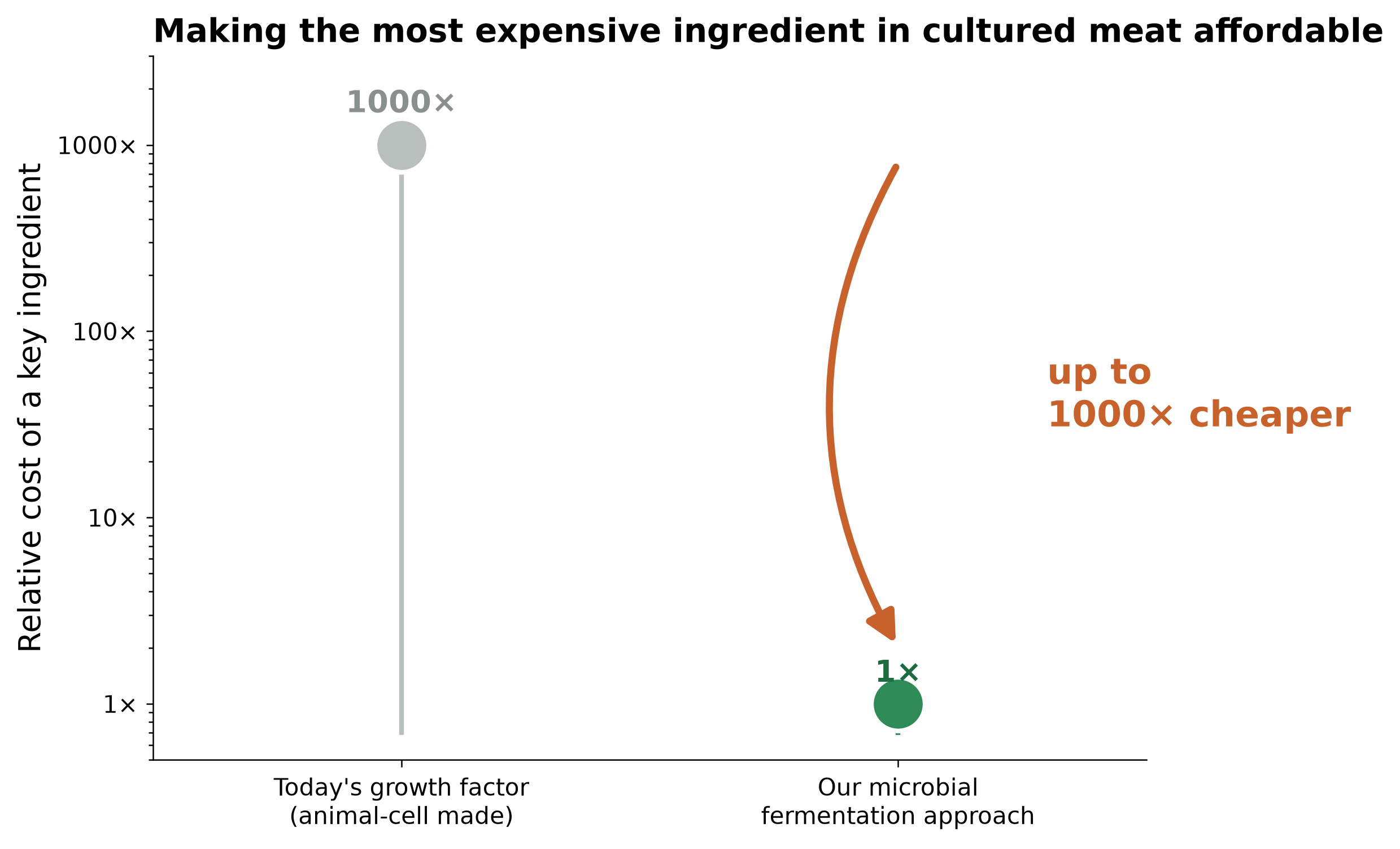
Reducing Growth-Factor Production Costs by Up to 1,000-Fold for Cultivated Meat
Alagene developed optimized microbial production systems for FGF2 and TGF-β1—two important growth factors used in cultivated meat production. The program delivered biologically active proteins with an estimated production-cost reduction of up to 1,000-fold and advanced the optimized strains toward industrial scale-up.
The challenge: making cultivated meat commercially viable
Cultivated meat is produced by growing animal cells directly, without raising and slaughtering animals. The field has made significant progress, with several products receiving regulatory approval and dedicated production facilities being established.
However, production costs remain a major barrier to commercialization.
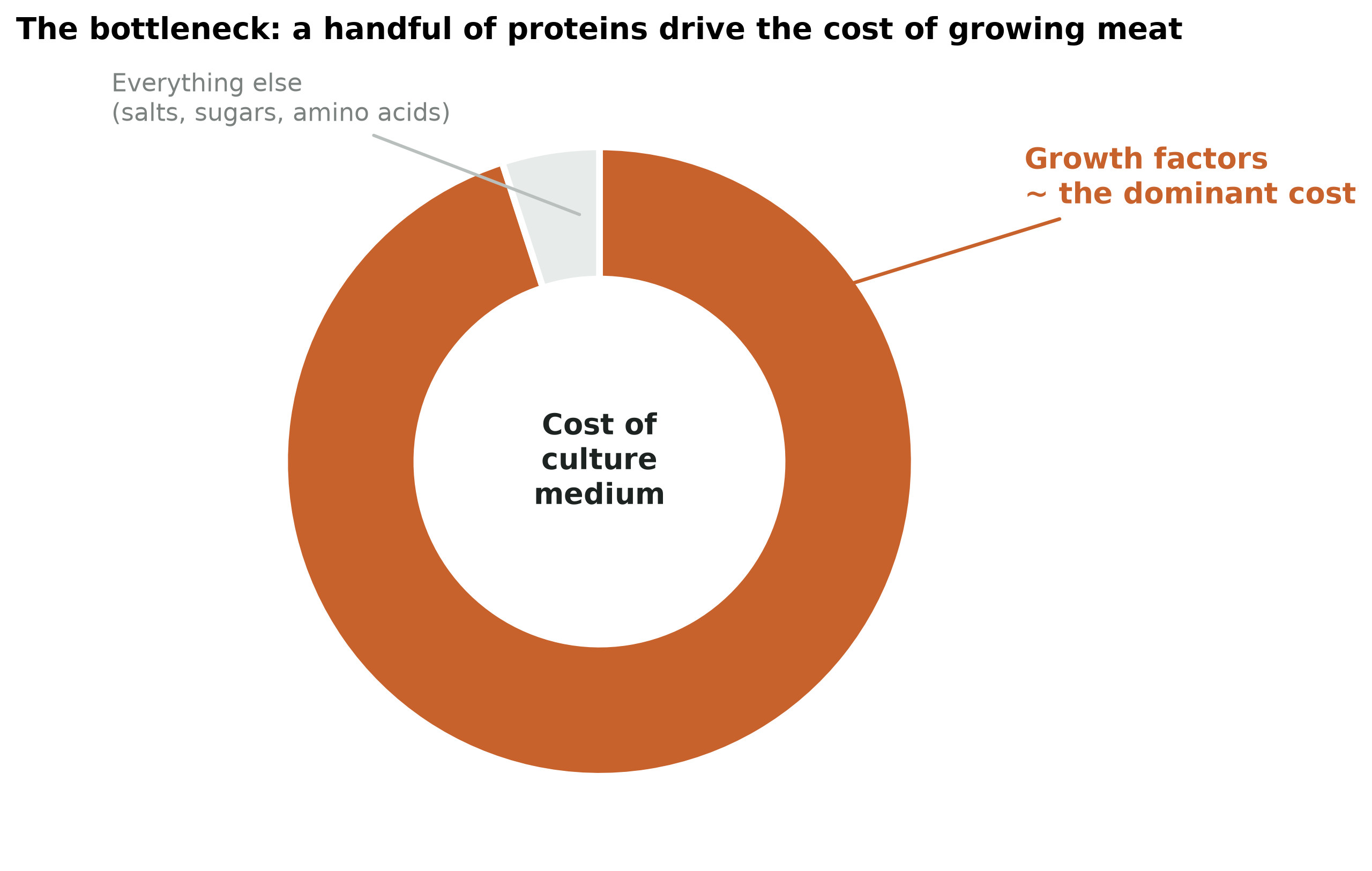
Animal cells are grown in a nutrient-rich liquid known as culture medium. In addition to sugars, amino acids, and minerals, the medium contains growth factors—signaling proteins that tell cells when to grow and multiply. Although they are required only in small quantities, growth factors are among the most expensive components of the medium.
Developing more affordable and scalable ways to produce these proteins is therefore essential for bringing cultivated meat closer to cost-competitive commercial production.
Our approach: using microorganisms as protein factories
As a member of the Israeli Cultivated Meat Consortium, Alagene developed microbial production systems for two key growth factors: FGF2 and TGF-β1.
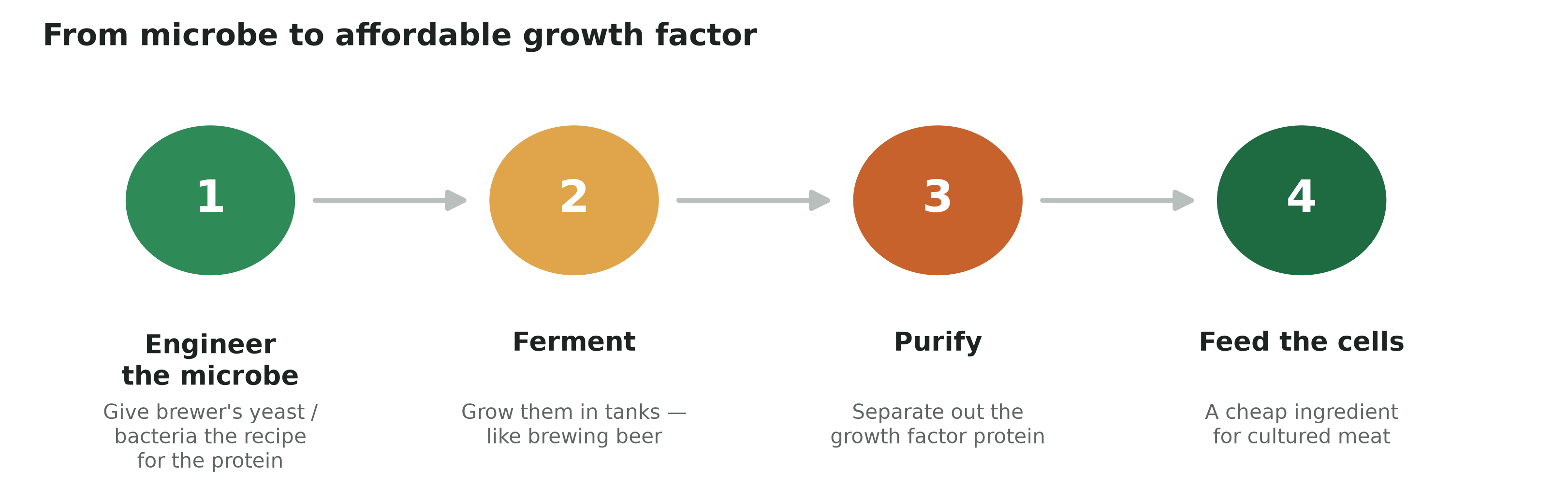
These proteins are commonly produced using complex and costly animal-cell systems. Alagene took a different approach, engineering yeast and bacteria to serve as efficient biological factories. The microorganisms produce the growth factors through fermentation, after which the proteins are recovered, purified, and prepared for use in cultivated meat culture media.
The program was carried out in collaboration with Prof. Tamir Tuller’s laboratory at Tel Aviv University. It combined the Tuller Lab’s computational design capabilities with Alagene’s expertise in strain engineering, automated screening, fermentation process development, protein purification, and analytical testing.
Combining computational design with laboratory automation
The development program brought together bioinformatics, genetic optimization, automation, and high-throughput screening.
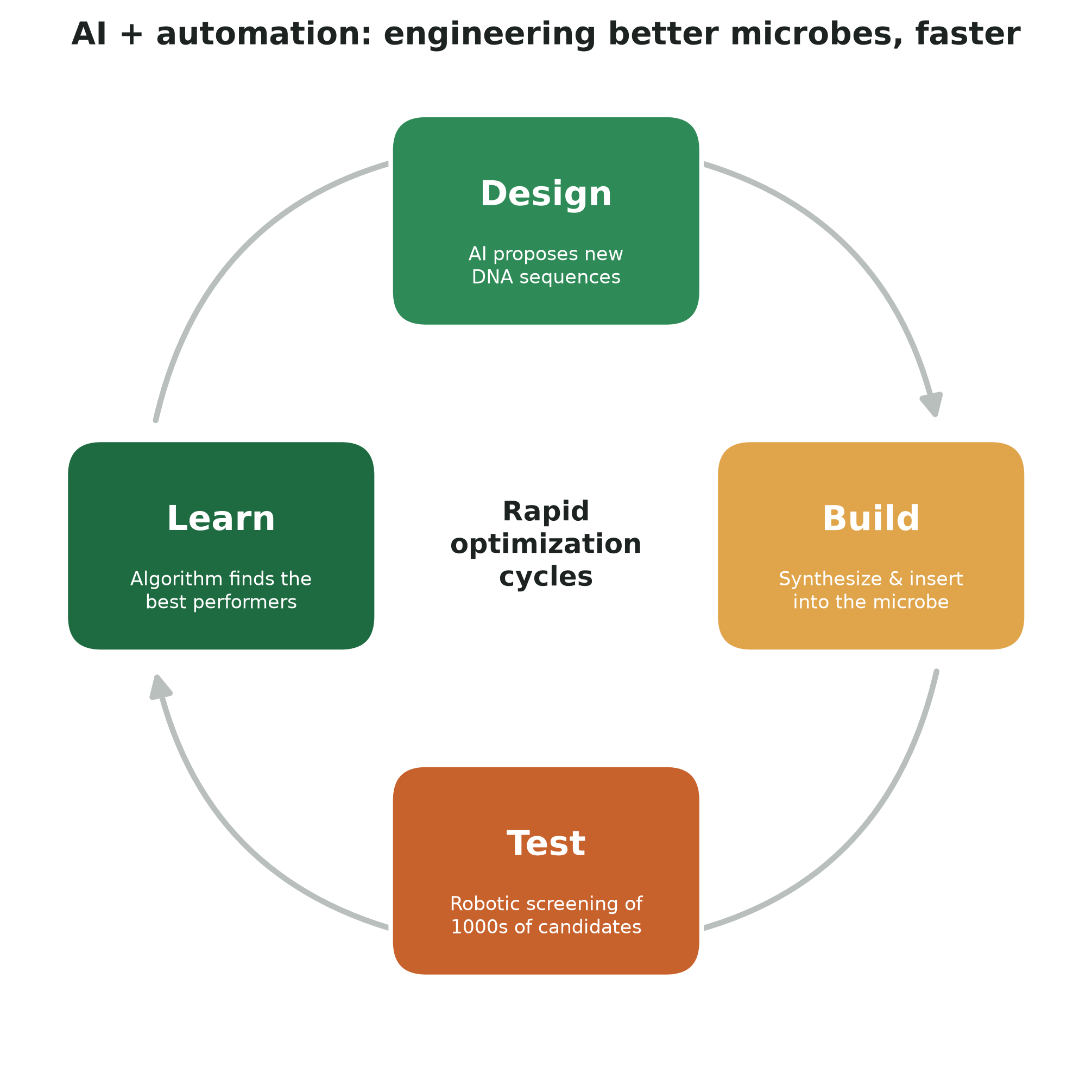
Computational tools were used to design genetic sequences with the potential to improve protein production. These designs were introduced into microbial hosts, creating a large collection of candidate production strains.
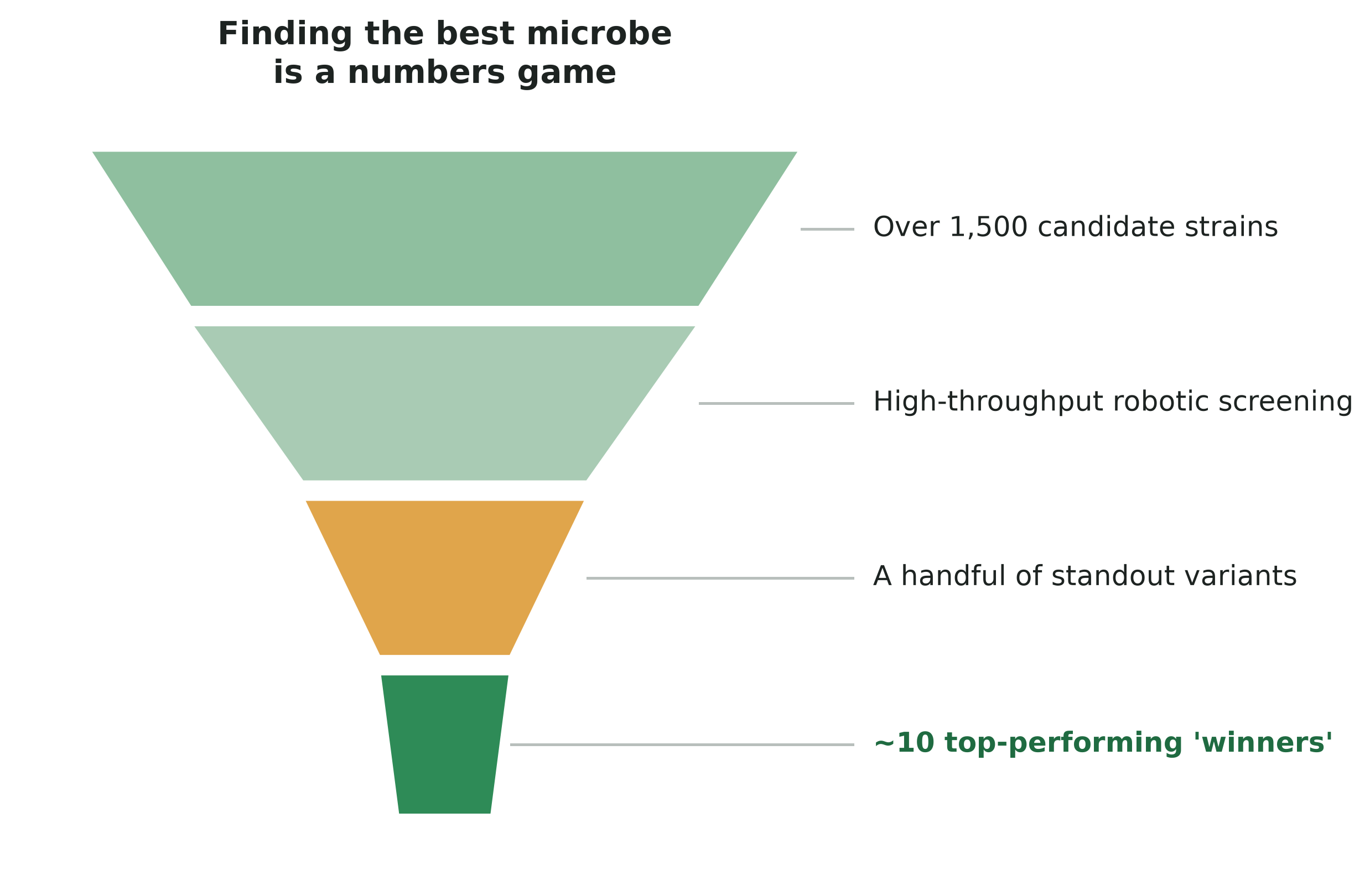
Alagene then used automated laboratory workflows to evaluate thousands of strain variants. The candidates were compared based on their production performance, and approximately ten top-performing strains were selected for further development.
The experimental results were used to guide additional rounds of design and optimization. This iterative Design–Build–Test–Learn process enabled the team to move efficiently from computational concepts to experimentally validated production strains.
Confirming biological activity
Producing a growth factor at lower cost is valuable only if the protein remains biologically active and supports animal-cell growth as effectively as existing commercial products.
The growth factors produced through the program were evaluated by cultivated meat companies and academic research groups, including Aleph Farms, SuperMeat, Dr. Roni Rak’s laboratory at the Volcani Institute, and Prof. Berta Sivan’s laboratory at the Hebrew University of Jerusalem.
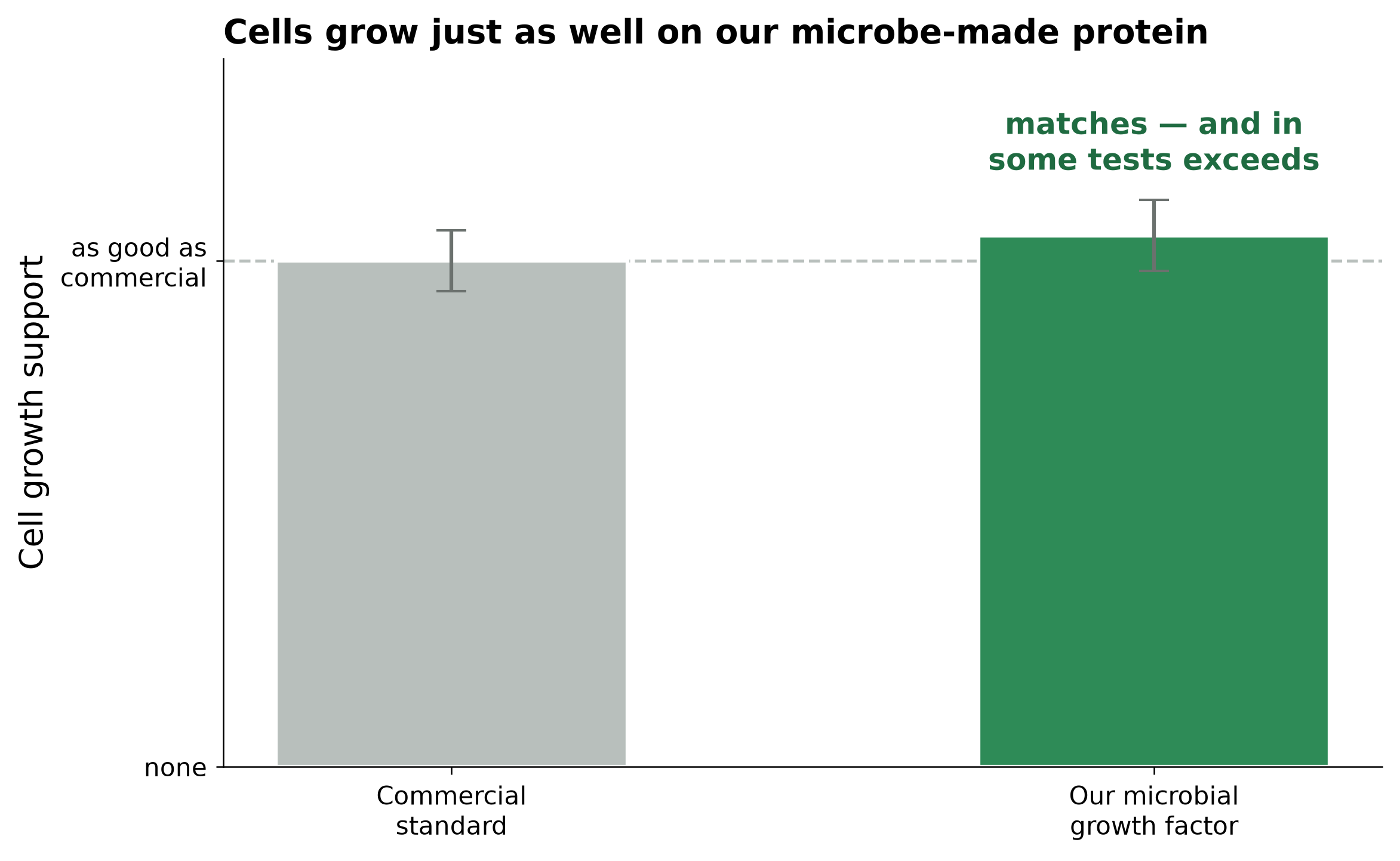
The proteins were tested in relevant animal-cell systems and compared with commercially available growth factors. The results showed that the microbially produced proteins were biologically active and supported cell growth at levels comparable to—and, in some assays, higher than—those achieved with commercial alternatives.
Testing across several independent laboratories and cell-based systems provided important validation of both the proteins’ functionality and their suitability for cultivated meat applications.
Progressing toward industrial production
Following strain development and biological validation, the optimized microbial strains were transferred to BioDalia for process scale-up and manufacturing.
This stage extended the program beyond laboratory development and enabled further evaluation under industrially relevant fermentation conditions. It also demonstrated a clear path from computational design and strain engineering to functional validation and large-scale production.
The outcome
By combining computational design, microbial engineering, high-throughput screening, fermentation development, and external biological validation, Alagene achieved an estimated reduction of up to 1,000-fold in the production cost of selected growth factors.
The resulting proteins demonstrated biological activity across multiple testing platforms, while the optimized production strains were advanced to industrial scale-up.
Together, these achievements demonstrate an end-to-end approach to developing functional, scalable, and more affordable growth factors—addressing one of the key cost barriers facing the cultivated meat industry.